How Weather Conditions Can Affect Liability in a Car Accident
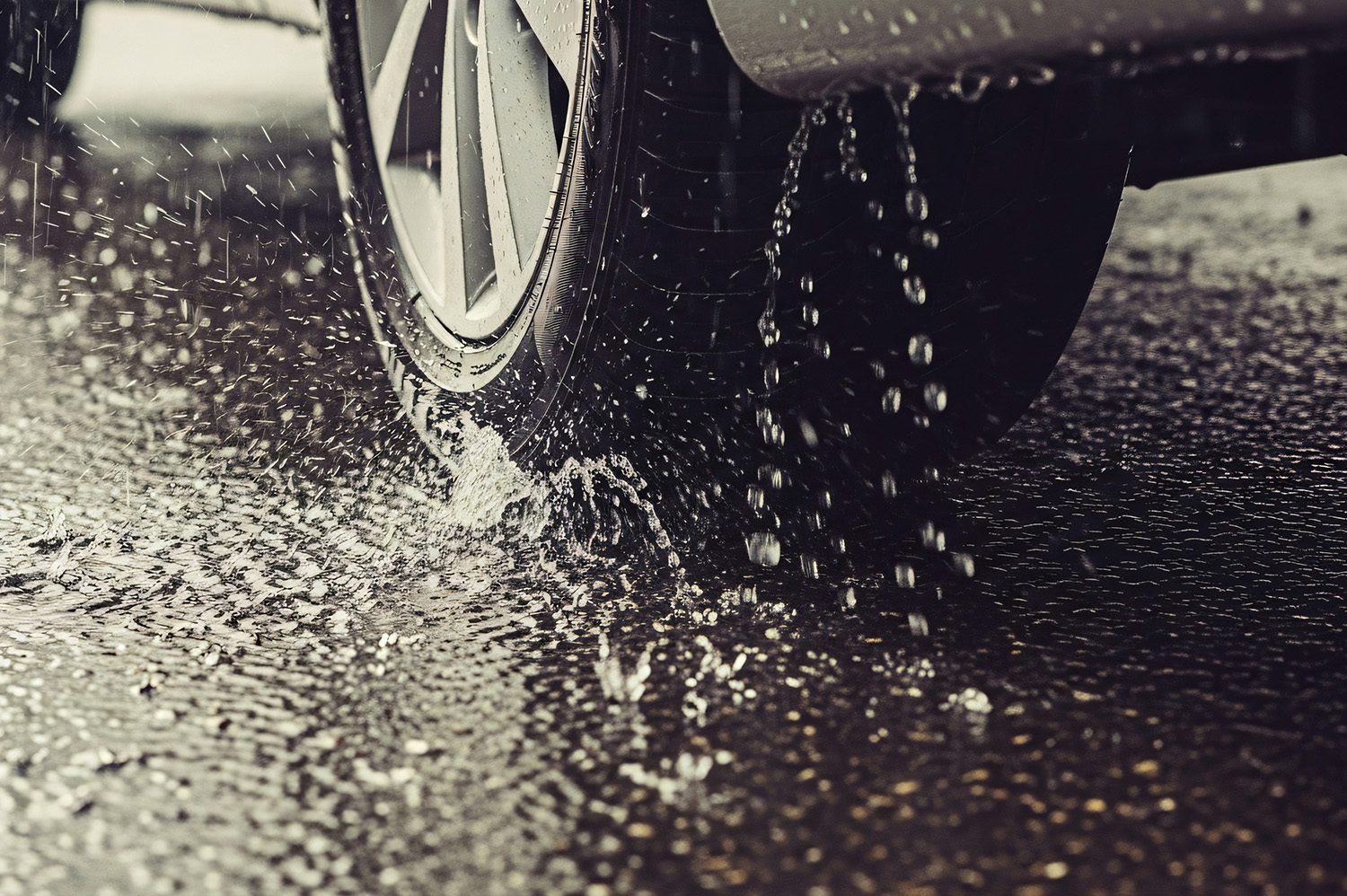
California drivers enjoy some of the most scenic roads in the country, but the state’s geography brings with it a wide range of weather challenges. From heavy winter rains in the Central Valley to dense coastal fog, mountain snowpack in the Sierra Nevada, and dry Santa Ana winds that reduce visibility with swirling dust and ash, driving conditions here can change quickly and without much warning. When an accident happens during adverse weather, one of the first questions asked is: who is responsible?
The answer is rarely as simple as pointing to the storm.
Weather Does Not Eliminate Driver Responsibility
One of the most common misconceptions after a weather-related accident is that the conditions themselves excuse a driver from fault. Under California law, that is not the case. Every driver on California roads has a legal duty to operate their vehicle with reasonable care, and that duty becomes more demanding when conditions deteriorate.
California Vehicle Code Section 22350, often called the Basic Speed Law, requires drivers to travel at a speed that is safe given the current conditions, regardless of the posted speed limit. This means a driver going 65 mph on a rain-slicked freeway where visibility is poor may be driving illegally, even if the speed limit sign reads 65. Courts and insurance adjusters look at whether a driver adjusted their behavior to match what the road was actually demanding at that moment.
Failure to slow down, increase following distance, use headlights in low visibility, or pull over when conditions become dangerous can all serve as evidence of negligence in a personal injury claim.
Common Weather Hazards and How They Shape Liability
Rain and Wet Roads
California’s rainy season, which typically runs from November through March, creates some of the most hazardous driving conditions of the year. Roads that have been dry for months accumulate oil, rubber, and debris on the surface. When the first significant rain falls, that buildup mixes with water and creates an extremely slippery layer that drivers may not anticipate.
Hydroplaning is another serious risk. When a vehicle’s tires lose contact with the road surface due to standing water, the driver loses steering and braking control. Liability in hydroplaning accidents often hinges on speed. A driver traveling too fast for wet conditions may bear significant responsibility, even if another vehicle was involved.
Fog
Coastal communities throughout California, including areas along Highway 1 and parts of the Central Valley during winter months, experience dense fog that can reduce visibility to near zero. Drivers who fail to use low-beam headlights, travel at unsafe speeds, or follow too closely in foggy conditions create substantial risk for everyone around them. When accidents occur in these circumstances, investigators examine whether each driver took appropriate precautions given what they could reasonably see.
Wind and Debris
Santa Ana wind events in Southern California and strong gusts through mountain passes can push vehicles out of their lanes, scatter debris across roadways, and create sudden hazards that are difficult to anticipate. While some wind-related accidents may involve shared fault or circumstances beyond any driver’s control, courts still look at whether a driver responded appropriately once conditions became apparent.
Snow and Ice
Drivers heading into mountain areas during winter months face conditions that require additional preparation. Under California law, Caltrans can require tire chains or snow tires on certain mountain roads during heavy snowfall. Drivers who ignore these requirements and cause an accident face a strong argument for negligence. Beyond chain requirements, winter driving demands reduced speed, heightened awareness, and greater stopping distances.
California’s Comparative Fault System
California follows a pure comparative fault rule, which means that liability in an accident can be divided among multiple parties, including both drivers, and in some cases, government entities responsible for road maintenance. Each party’s percentage of fault determines their share of financial responsibility.
This is particularly relevant in weather-related accidents. A driver who was speeding in the rain may be found 70% at fault, while another driver who failed to use headlights in fog may bear the remaining 30%. Even a plaintiff who is partially at fault can still recover damages, though their award is reduced by their own percentage of fault.
Government liability can also come into play if a road’s design, drainage systems, or lack of adequate signage contributed to dangerous conditions during a storm.
Preserving Evidence After a Weather-Related Accident
If you are involved in an accident during adverse weather conditions, the steps you take in the immediate aftermath can significantly affect any future legal claim. Photograph the road surface, any standing water, skid marks, and the surrounding environment. Note the time and document current weather conditions. Obtain contact information from witnesses, since their accounts of the conditions at the scene can be valuable. Request a copy of the official accident report, which should include weather observations made by the responding officer.
Weather data from the National Weather Service and traffic camera footage, if available, can also serve as important evidence in establishing what conditions were present at the time of the collision.
Speaking with an Attorney
Weather-related accident cases involve overlapping questions of physics, traffic law, and legal responsibility. Determining fault requires a careful review of the evidence, sometimes with the help of accident reconstruction experts or meteorological data.
The Law Offices of Brent D. George has experience helping California accident victims understand their rights and navigate the complexities that arise when weather plays a role in a crash. If you have been injured in a weather-related accident and have questions about liability, speaking with an attorney can help you make informed decisions about your next steps.
Contact us today for a free, confidential consultation.
Disclaimer: This article is intended for informational purposes only and does not constitute legal advice. For personalized assistance, please contact our office at (805)494-8400.